
stand up mirror with lights
The Knife Edge Ruler Precision in Measurement In the world of measurement and engineering, the concept of precision is paramount. Among the tools that embody this vital principle is the knife edge ruler. This unique measuring device stands out for its design and functionality, making it an essential instrument for professionals in various fields, including woodworking, metalworking, and even architecture. A knife edge ruler is characterized by its finely sharpened edge, which allows for an extremely accurate reading of measurements. Unlike traditional rulers, which may have a blunt edge that can create discrepancies in measurement accuracy, the knife edge design provides a pinpoint reference for measurements, ensuring that every millimeter, inch, or centimeter is accounted for with the utmost precision. This feature is especially important in applications where slight deviations in measurement can lead to significant errors in the final product. The origins of the knife edge ruler can be traced back to traditional craftsmanship where artisans needed tools that could deliver high accuracy for their intricate work. Its design is rooted in the need for simplicity, efficiency, and effectiveness. A well-made knife edge ruler typically features a straight, elongated body with gradations etched along its length. The sharp edge, often made from high-quality steel, serves not only as a reference point but also as a means to score materials like wood or metal, facilitating cleaner cuts and joints. The applications of the knife edge ruler extend beyond the workshop. In the field of engineering, precision is critical, and tools that can deliver this level of accuracy are invaluable . Engineers often employ knife edge rulers in drafting and design, where accurate measurements can influence the integrity and aesthetics of a structure. Similarly, architects might use such instruments to ensure that blueprints are accurate and to scale, paving the way for successful construction phases. knife edge ruler One of the notable advantages of the knife edge ruler is its versatility. While primarily associated with linear measurements, it can also be used in conjunction with other tools. For example, when paired with calipers or squares, it enhances the accuracy of complex measurements and alignments. This compatibility makes it a staple in both professional and DIY toolkits, appealing to hobbyists, makers, and seasoned professionals alike. However, like any tool, the effectiveness of a knife edge ruler largely depends on its maintenance and proper use. Regularly checking the sharpness of the edge and ensuring that it remains free of nicks and burrs is crucial for maintaining its precision. Additionally, users should be mindful of how they handle and wield the ruler; maintaining a steady hand and applying the right amount of pressure during measurements can significantly improve accuracy. In the digital age, where technology often takes precedence over traditional tools, the knife edge ruler remains relevant for its simplicity and effectiveness. While digital measuring devices offer convenience, the tactile experience and direct visual confirmation of measurements with a knife edge ruler offer a level of certainty that technology sometimes fails to provide. For many craftsmen and engineers, there is an inherent satisfaction in using a physical tool that connects them directly to their work. In conclusion, the knife edge ruler exemplifies the fusion of craftsmanship and precision in measurement. Its unique design enhances accuracy, making it an indispensable tool for anyone engaged in precise work. Whether in a professional setting or a home workshop, the knife edge ruler stands as a testament to the timeless value of meticulous measurement and the art of craftsmanship. As we continue to innovate and embrace new technology, the fundamental principles of precision and accuracy that the knife edge ruler represents will always hold a place in our toolkit.
about
stand up mirror with lights
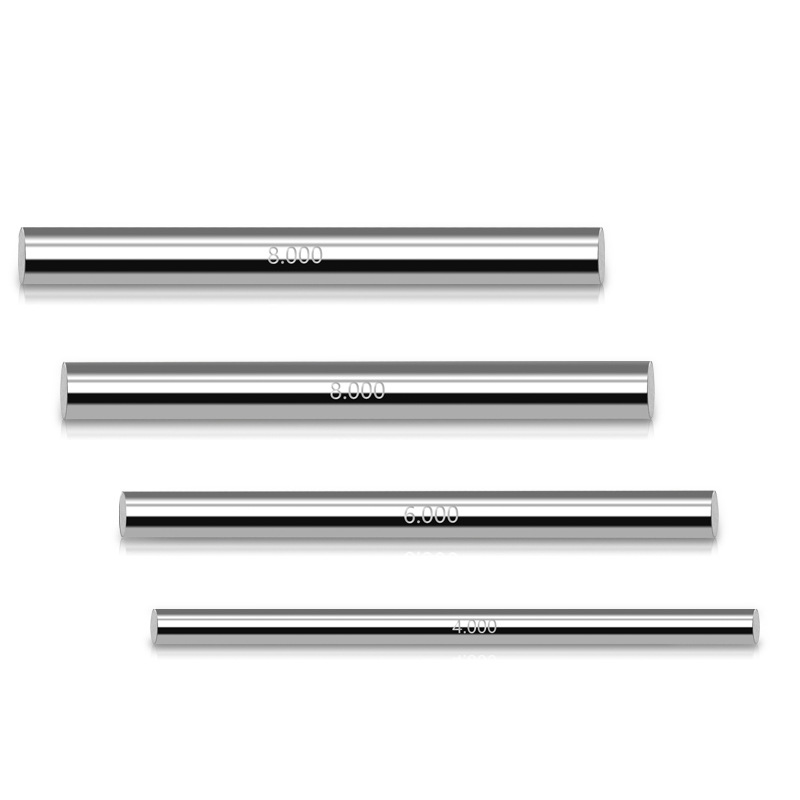
Understanding Thread Plug Gauge Types Thread plug gauges are essential tools used for measuring the size and quality of threaded holes in various manufacturing and engineering applications. These gauges help in verifying whether threaded holes conform to specified tolerances and standards. This article delves into the types of thread plug gauges, their applications, and the significance of choosing the right gauge for specific tasks. What are Thread Plug Gauges? Thread plug gauges are a form of customized measuring instruments designed to check the internal dimensions of threaded holes. They ensure that threads are cut accurately, fit properly, and meet the required specifications. These gauges are inserted into the hole to check for correct thread size, pitch, and form. There are two primary types of thread plug gauges GO gauges and NO-GO gauges. 1. GO Gauges - The GO gauge is used to check whether the threaded hole is large enough to accept the corresponding gauge. It indicates that the thread is within acceptable limits. If a GO gauge fits cleanly into the thread, it signifies that the hole can accommodate the intended fastener or bolt. - For example, in an engineering project, if a GO gauge passes smoothly into the threaded hole, it confirms that the production process has met the necessary standards to allow for proper assembly. 2. NO-GO Gauges - In contrast, the NO-GO gauge is designed to check that the internal thread does not exceed a specified size. If the NO-GO gauge can be inserted into the hole, it indicates that the threading is oversized and thus not acceptable for the application. - The use of a NO-GO gauge is crucial in ensuring quality control in manufacturing processes, as it prevents faulty components from making their way into assembly. Variants of Thread Plug Gauges Thread plug gauges come in various designs based on specific applications and thread types . Some common variants include - Unified Threads (UN) These are standard threads used predominantly in the United States. Various types of UN gauges exist, including UNJ for aerospace applications, which has an increased radius at the root for added strength. - Metric Threads (M) Commonly used globally, metric thread plug gauges are essential for applications dealing with international standards. These gauges check M-thread sizes, ensuring consistency across different regions and industries. thread plug gauge types - Acme Threads These are trapezoidal threads commonly used in power transmission applications. Specialized gauges are made for checking Acme threads due to their unique profile. - Whitworth Threads An older standard predominantly utilized in British and Commonwealth countries, Whitworth gauges verify the dimensions and pitches of these threaded components. Importance of Accurate Measurement Accurate measurement using thread plug gauges directly impacts the efficiency and safety of mechanical assemblies. Some key reasons include - Quality Assurance By regularly using thread plug gauges throughout the manufacturing process, companies can ensure that their products meet client specifications and industry standards. - Reduced Maintenance Costs Properly threaded components reduce wear and tear on machinery, leading to lower maintenance and repair costs over time. - Enhanced Product Longevity Components that are manufactured within the appropriate tolerances are likely to have better performance rates, maintaining their integrity and reducing the chances of failure. - Safety In critical applications, such as aerospace and automotive manufacturing, ensuring that threads are correctly sized is vital for safety, as improper threading can lead to catastrophic failures. Conclusion In conclusion, thread plug gauges are indispensable tools in ensuring the accuracy and integrity of threaded holes in various applications. Understanding the different types of thread plug gauges—GO and NO-GO, along with their specific variants—enables manufacturers and engineers to choose the right tools for their specific needs. With the correct gauges, businesses can enhance product quality, improve safety measures, and maintain high standards of precision in their manufacturing processes. As industries continue to evolve, the importance of adopting reliable measurement tools like thread plug gauges will remain a cornerstone of successful engineering practices.
-

High quality industrial productsagement

High quality industrial products
View Details -

Meet the diverse needs of customers

Meet the diverse needs of customers
View Details -

Strict quality control

Strict quality control
View Details -

Top raw materials

Top raw materials
View Details -

Trusted supplier

Trusted supplier
View Details
Our application

news and information
Various Types of Non-Return Valves and Their Applications in Fluid Control
Understanding Non-Return Valve Types Non-return valves, also known as check valves, play a crucial r

Válvula borboleta elétrica 12V para controle de fluxo em sistemas industriais
Válvula Borboleta de 12V Eficiência e Versatilidade em Sistemas Hidráulicos A válvula borboleta é um
y strainer steam trap
Understanding Y-Strainer and Steam Traps Essential Components in Fluid Management In industrial syst
 English